Thursday, 8 February 2018

Vision Machines To Ensure Your Package’s Arrival


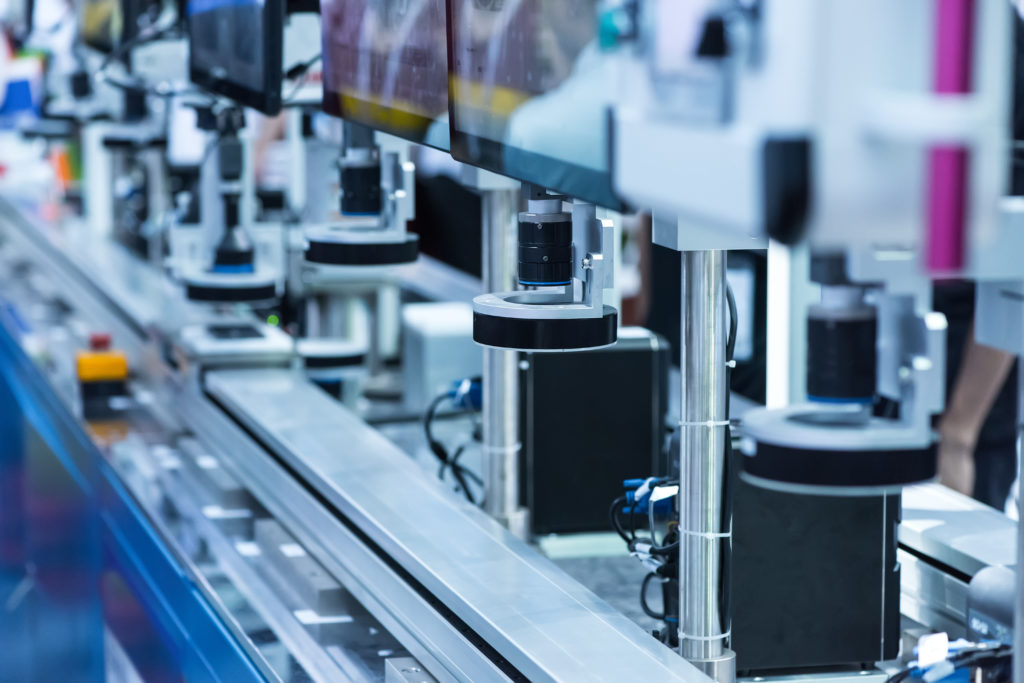
The speed of the development and adaptation of new technologies is growing at exceptional rates. It is specifically true in the case of vision machines. Distribution centers are using this technology to ensure accuracy in the shipping and delivery of products.

The development and growth of this technology have resulted in a seamless integration of robots into warehouses. Due to this integration, companies have been able to speed up delivery times and reduce the amount of hazardous work involved in the packaging and distribution processes. The integration of cameras into these machines has taken this technology to the next level.

The history of vision machines

The purpose of the development of vision machinery was to analyze images to take smart actions. Manufacturers have been striving for the automation these vision machines tend to bring into the manufacturing processes. The initial development of computer vision technology started in the 1950s. However, real-world applications were possible in the 80s.

The initial application of this system allowed companies to automate the process of reading letters and identifying symbols and numbers. The use of these machines started prevailing when their prices began to drop in the 90s.


The capabilities of vision technology today

Modern warehouses can benefit significantly from the power of connection between machinery, computers, and cameras. These machines use cameras to analyze a situation and suggest a solution after executing those images or videos using AI-based systems. These machines can help solve problems and avoiding any undesirable circumstances.

So, you may wonder about the capabilities of a camera. With the help of smart cameras, you can match images, decipher colors, inspect labels, and identify products. The specific messages are communicated to the machinery with the help of software run by the computer. The machinery, after receiving instructions from the computer, performs specific functions such as lifting or sorting.

Vision technology and packaging

The use of vision machines in the packaging helps streamline the entire supply chain process. Here is how these machines can facilitate the entire packaging and distribution process.

  • The deployment of vision machines at different points of the supply chain helps automate a lot of processes in a packaging distribution center. It starts with smart sensors that tend to increase production speed. Then certain sensors perform a whole-box inspection to read everything from labels to the product inside the box. It allows workers to save a significant amount of time.
  • After packaging the products, businesses have to deal with the challenge of meeting customers’ expectations. Consumers want their packages to be delivered on time and in undamaged condition. That’s where vision machines can come in handy. These machines ensure the accuracy of labeling, helping businesses to eliminate factors that may result in downtime. The most significant advantage of this approach is that it increases a business’s ability to deal with high volumes without making any errors.
  • The modern-day consumer expects faster shipping speeds, robust customer support, and other tech advancements. The end-consumer can benefit from vision machinery even though he doesn’t have any direct contact with it.

Tuesday, 5 September 2017

The Secret Ingredient Isn’t Sugar—It’s the Box

Candy has always been about joy. But before that first bite, before the wrapper crinkles or the chocolate melts on someone’s tongue, there’s the moment of presentation—the reveal. That’s where candy boxes work their quiet magic. They don’t just hold sweets; they hold memories. The right box can make a five-dollar treat feel like a million-dollar gift, and smart candy makers know that’s where the real sweetness begins.


Think about it. Candy is emotional. It reminds people of birthdays, Valentine’s Day, grandma’s kitchen, or that one childhood corner store where everything cost a dime. The moment someone sees a bright, perfectly folded box sitting on the counter, their brain lights up before the sugar ever hits. A candy box isn’t packaging—it’s a cue, a visual promise that says, this is special.

And the beauty is, a good candy box does this effortlessly. The color, the texture, even the way it opens—it all matters. A lid that lifts slowly builds anticipation. A ribbon closure adds elegance. A clear window turns candy into a little gallery. When people feel that kind of care in presentation, they don’t just buy candy—they buy the moment that comes with it. It’s why big confectionery brands obsess over packaging, and why small candy shops that get it right build lifelong fans after a single purchase.

But here’s where most candy sellers miss the mark: they think the candy itself will carry the sale. In truth, the product and the box work together like melody and harmony. The candy delivers taste, but the box delivers perception. And perception lasts longer than flavor. That’s why candy boxes have quietly become a strategic business tool. Whether you’re selling truffles, fudge, caramels, or cotton candy, the right box can transform impulse buyers into loyal customers who keep coming back for the “experience.”

Today’s candy boxes aren’t just cute—they’re smart. They’re designed for durability, stackability, and shelf appeal all at once. Corrugated candy boxes protect delicate treats during shipping while still looking gift-ready upon arrival. Specialty finishes—like gloss coatings, pastel tones, or foil stamping—turn ordinary deliveries into Instagram-ready unboxings. That’s marketing you don’t even have to pay for. The box does the storytelling for you.

And maybe that’s what makes candy boxes so powerful. They bridge nostalgia with modern business sense. They whisper “childhood” while quietly driving sales. A good candy box is like a stage light—it doesn’t compete with the candy; it makes it shine brighter. Because at the end of the day, customers don’t just remember the sweetness they tasted. They remember how it felt to open something that looked like it was made just for them.

That’s the real secret ingredient. Not sugar, not chocolate, not caramel—but the feeling of unboxing happiness itself.

Wednesday, 3 May 2017

How Small Businesses Save with Bulk Shipping Supplies

Many small businesses benefit from buying shipping supplies in bulk. At first, the large quantity may seem unnecessary or expensive, but bulk packaging provides long-term savings that can significantly lower operating costs. Buying in bulk reduces cost per unit, improves inventory planning, and helps prevent last-minute supply runs that waste both time and money.


Wholesale vs. Retail Pricing

Retail stores often charge higher prices because items are purchased in small quantities. Buying a small pack of mailers or boxes may seem convenient, but over time those higher prices add up. Bulk orders, on the other hand, reduce cost per unit, allowing small businesses to stretch their budget and keep packaging costs predictable.

When businesses purchase pallets or cartons of mailers, boxes, or tape from wholesalers, they eliminate repeated trips to the store and unnecessary fuel costs. Instead of replenishing supplies constantly, they simply pull from inventory until it is time to reorder. Bulk orders also reduce the risk of running out of essentials during busy sales periods.

How to Store Wholesale Packaging

Bulk packaging can take up space, especially for businesses operating out of small offices or home setups. The best way to manage large quantities of shipping supplies is to keep everything stored in its original case. Establish a packing station and keep smaller amounts within reach while the rest remains boxed and stacked neatly.

Some small businesses rent small warehouse spaces, use shelving, or designate a storage corner strictly for shipping supplies. Once a system is in place, packaging becomes faster, more organized, and far less stressful.


The ROI Breakdown on Bulk Orders

Bulk purchasing requires a larger initial investment, but the return on investment grows over time. The more orders a business fulfills, the more valuable bulk pricing becomes. Instead of spending more per pack at retail and wasting gas on repeat trips, the business already has what it needs and can focus on fulfillment.


By purchasing packaging supplies in bulk, small businesses gain smoother operations, better cost control, and the ability to fulfill orders without delay. In the long run, bulk buying not only saves money — it supports growth.

Saturday, 4 March 2017

Why Gift Candy Wins

Have you ever noticed that candy somehow feels different when it comes in a nice box? The chocolate is the same. The caramel is the same. The hard candy is the same. Yet people often enjoy it more when it arrives neatly packaged.

Many people ask why candy boxes are so popular for gifts. The answer starts with first impressions. Before anyone tastes a single piece of candy, they see the package. That first look shapes what they expect. A neat box creates excitement. It tells the recipient that someone put thought into the gift.

This is one reason candy shops, bakeries, and homemade candy makers often use boxes. They help turn a simple treat into something that feels special. A handful of candy in a plastic bag may be appreciated, but the same candy arranged inside a box often feels more like a present.

Another question people ask is whether candy boxes help keep treats fresh. In many situations, they can. While freshness depends on the type of candy and storage conditions, keeping products enclosed helps protect them from dust, dirt, and unnecessary handling. It also keeps everything together instead of scattered across different containers.

Holidays are another reason candy boxes remain popular year after year. During Christmas, Valentine's Day, Easter, and Mother's Day, people look for easy gifts that almost everyone enjoys. Candy often fits that need. A box allows the gift to look complete without requiring extra wrapping or preparation.

School events and fundraisers also create demand for candy boxes. Organizers frequently need a simple way to distribute treats. Boxes help keep portions organized and make handing out candy much easier. They also create a cleaner appearance when products are displayed on tables.

One overlooked benefit is transportation. Many people buy candy and immediately place it in a vehicle. Loose candy can roll around, tip over, or become mixed together. A sturdy box helps prevent those problems. Whether someone is driving across town or bringing treats to a family gathering, the candy stays more secure.

People who make candy at home often face another challenge. They want their finished products to look as good as they taste. This can be difficult after spending hours preparing recipes. Candy boxes provide a simple solution. They help display homemade treats in an organized way that highlights the effort behind them.

Some people assume candy boxes are only useful for expensive chocolates. In reality, they work well for many different types of treats. Fudge, caramel, chocolate-covered snacks, hard candy, taffy, and seasonal sweets can all benefit from proper packaging.

Storage can become easier as well. Boxes can be stacked neatly on shelves, counters, or tables. This helps reduce clutter and keeps products easy to locate. Instead of searching through several containers, everything remains together in one place.

Another common question involves special occasions. Weddings, baby showers, church gatherings, and birthday parties often include candy favors. Boxes make these favors easier to prepare while creating a more polished appearance for guests.

When people remember a gift, they often remember more than the item itself. They remember how it looked when they received it. They remember opening it. They remember the feeling that came with it. Packaging plays a role in that experience.

That is why candy boxes continue to be used in homes, businesses, and events of every size. They help protect treats, improve presentation, simplify transportation, and make candy feel more memorable. Sometimes the box becomes part of the gift itself.

```

Monday, 6 February 2017

The Hidden Candy Mistake

Walk into almost any candy shop and you will notice something right away. The treats that grab attention first are usually packed well. People may think they are buying candy because of flavor alone, but packaging quietly plays a huge part in what customers choose. Candy boxes help protect products, but they also help make candy feel more fun, more valuable, and easier to trust.

One question many small business owners ask is why their candy looks messy after only a few days on display. Heat can hurt candy, but handling is often the bigger issue. When treats sit inside weak containers, they slide around every time the box moves. Chocolate rubs together. Hard candy chips apart. Frosted treats lose their clean look. Better candy boxes help stop this damage before it starts.

Customers ask questions too. They want to know why some candy stays fresh longer than others. Air exposure is one reason. Candy left inside poor packaging can dry out, become sticky, or lose texture. A stronger candy box creates a better barrier between the candy and outside air. That helps many treats keep their shape and flavor longer.

Holiday seasons create another challenge. During Christmas, Valentine’s Day, and Easter, stores move large amounts of candy very quickly. Packaging becomes even more important during busy seasons because products are stacked, carried, and shipped nonstop. Thin containers may tear or collapse under pressure. Strong candy boxes help products survive crowded shelves and fast handling.

Many parents also use candy boxes for school events and parties. Loose candy rolling around inside a bag can spill everywhere. Small boxes help keep treats together and make handing out snacks much easier. Some families even use themed candy boxes to match birthdays, graduations, or church gatherings.

Another common question is whether candy boxes really affect sales. In many cases, they do. People naturally judge products by appearance first. A bent or damaged package can make fresh candy look old. Clean packaging gives buyers more confidence. Even simple cardboard candy boxes can make products appear more organized and professional.

Online stores especially depend on good packaging now. Shipping candy through the mail creates risks that local stores may not face. Packages may sit in trucks, bounce during travel, or get stacked under heavier boxes. Without enough support, candy may arrive broken before the customer even opens the package. Good candy boxes help absorb pressure and reduce movement during shipping.

Some companies now choose recyclable candy boxes because customers ask for better environmental choices. Cardboard packaging is often easier to recycle than certain plastic containers. Businesses that use recyclable materials may appeal to shoppers who want less waste in their homes.

Cost is another thing people worry about. They wonder if stronger candy boxes are worth paying extra for. Cheap packaging may save a little money at first, but damaged products often create bigger losses later. Refunds, replacement orders, and unhappy customers can hurt a business quickly. Reliable packaging helps avoid many of those problems.

Candy boxes are not only about carrying sweets from one place to another. They help protect flavor, improve presentation, support cleaner storage, and create a better experience for customers. Whether somebody sells homemade fudge at craft fairs or ships chocolates across the country, the right candy box can help everything run smoother from start to finish.

Monday, 2 January 2017

Tiny Box Big Difference

Most people think candy sells because of flavor alone. Flavor is important, of course, but packaging changes how people feel before they ever take the first bite. A candy box can make a product feel fun, expensive, homemade, or even more trustworthy depending on how it looks and works.

One thing people ask all the time is why some candy stores seem more memorable than others even when the candy tastes similar. In many cases, the answer comes down to presentation. When candy is packed neatly inside a strong box, customers often believe the product itself is higher quality. It creates a cleaner and more polished experience.

This matters a lot for businesses that sell handmade candy. Small candy shops usually compete against large stores with huge advertising budgets. Packaging becomes one of the easiest ways to stand out without spending a fortune. A simple candy box that closes properly and protects the product can instantly make a business look more professional.

Another common question is whether candy boxes help reduce mess. They absolutely do. Candy can crack, melt, crumble, or stick together when it moves around too much. Good packaging keeps pieces separated and helps products arrive looking the way they should. This is especially important for delicate treats like chocolate-covered strawberries, truffles, fudge, or caramel.

People also wonder what type of candy box works best for events. The answer depends on the setting. Weddings and parties often use decorative boxes that match colors or themes. Fundraisers usually need affordable boxes that are easy to stack and carry. Retail stores often choose packaging with display windows so customers can see the candy inside before buying.

Shipping creates another challenge many businesses overlook at first. Delivery trucks are not gentle places. Packages slide around, get stacked, and move through different temperatures during transit. Weak candy boxes can split open or crush under pressure. Strong packaging helps protect products from damage and reduces refund requests from unhappy customers.

Many businesses today also ask whether eco-friendly packaging matters to buyers. For some customers, it does. Recyclable candy boxes can make people feel better about their purchase, especially when they are trying to reduce waste at home. Some shoppers even prefer simple cardboard packaging because it feels cleaner and less wasteful than heavy plastic containers.

Storage is another reason packaging matters more than people realize. Candy shops often carry many different products at once, especially during holidays. Boxes that stack neatly help businesses save room and stay organized. Workers can move inventory faster when products are easy to count and arrange.

Holiday seasons create even more pressure. During Valentine’s Day or Christmas, candy sales can jump fast. Businesses need packaging that can handle large order volume without slowing everything down. Easy-fold boxes and dependable materials help workers pack orders faster while keeping products protected.

There is also a marketing side to candy boxes people rarely talk about. Packaging helps create emotion. Bright colors can make products feel exciting. Dark colors can make candy feel premium or rich. Kraft-style boxes often create a warm homemade feeling. Small design choices quietly shape how customers think about the product before tasting it.

At the end of the day, candy boxes do much more than simply hold sweets. They help businesses protect products, stay organized, improve presentation, and create better customer experiences. Sometimes the smallest details end up making the biggest difference, and packaging is often one of those details people remember without even realizing it.

Sunday, 6 November 2016

Why Candy Gets Ignored

Candy often gets ignored for a simple reason. It blends in. When candy is tossed into the wrong box, it stops feeling intentional. People walk past it, even when it is something they would normally enjoy. The candy did not change, but the way it was presented did. Candy boxes play a quiet role in whether people notice, reach, and actually care. When packaging does its job well, candy stands out without asking for attention.

A common question is how candy boxes affect attention. The answer lies in order. The human eye looks for patterns. When candy sits unevenly or piles into corners, the brain reads it as clutter. Clutter gets skipped. A box that holds candy in place creates clean lines and balance. When someone opens the lid and sees candy arranged neatly, their eyes slow down. They pause. That pause is the moment when interest starts to grow.

Another question people ask is how box shape influences how candy feels. Shape matters more than most realize. A box that is too large makes candy look small and forgotten. A box that is too tight feels stressful, like something is about to be damaged. The best candy boxes feel calm. The candy fits naturally, with space to breathe but not roam. When the fit feels right, people assume the candy was handled with care, even if they cannot explain why.

People also want to know how candy boxes change sharing behavior. Candy is often meant to be shared, whether at events, offices, or family gatherings. A good box invites sharing by making access easy. When pieces are visible and easy to grab, people feel comfortable taking one. When candy is buried or tangled, people hesitate. That hesitation can mean fewer people enjoy it. The box quietly guides behavior by removing friction.

Another common concern is how to avoid candy looking “picked over.” This happens when boxes allow too much movement after opening. Candy shifts, gaps appear, and the display feels messy. Boxes that help maintain structure even after pieces are removed keep the remaining candy looking fresh. That matters because people judge what is left just as much as what was there at the start. A box that keeps its shape helps candy stay appealing longer.

There is also the question of timing. Candy often sits out before it is eaten. It might wait on a table, a counter, or a shelf. During that time, presentation carries the load. A box that resists bending and sagging keeps the candy looking intentional. When boxes collapse or warp, the candy appears neglected. That visual cue can turn interest into avoidance, even if the candy is perfectly fine.

People increasingly ask about simple packaging choices that feel better long-term. Candy boxes made from straightforward materials are easier to reuse or recycle. A box that closes well can be used again for storage or gifting. When packaging feels useful beyond the first moment, it leaves a better impression. It shows thoughtfulness instead of waste. That feeling sticks with people, even if they do not say it out loud.

Choosing the right candy box becomes easier when you think about behavior instead of decoration. Ask how you want people to approach the candy. Do you want them to pause, smile, and reach without thinking? Do you want the candy to stay inviting even after a few pieces are gone? The box answers those questions for you. Candy does not get ignored because it lacks flavor. It gets ignored when the box fails to give it a place to shine.

Packaging Trends Prevailing This Year

The pace of technological advancements has been quite impactful for the packaging industry over the past few years. Many people think of pac...