Wednesday, 6 January 2021

Packaging Trends Prevailing This Year


The pace of technological advancements has been quite impactful for the packaging industry over the past few years. Many people think of packaging as a static industry that doesn’t change quite a bit over time. In fact, packaging relies heavily on change and innovation due to growing consumer demands.

We can expect to see massive growth in technology in almost every industry out there, and packaging will be one of such industries. The expansion of e-commerce has resulted in many industries slowing down, but the packaging industry has grown at unprecedented levels. It means that adopting the latest packaging solutions is crucial for companies to keep up with their business requirements in the modern world.

In this article, we will discuss some top trends taking over packaging this year.

Automation

The concept of automation is not new in the packaging industry. However, it will no longer be a luxury in the years to come. With the help of automation, you can streamline your packaging line and reduce costs during fulfillment processes.

A trend that will take over an aspect of packaging this year is the use of collaborative robots, also known as Cobots. These machines work side-by-side with human labor. The best thing about these special robots is that humans can work with them without using protective equipment. The purpose of using cobots is to increase efficiency by taking over tasks that can turn out to be hazardous for humans. Another reason these cobots are more effective is that they eliminate the need for manual controls.

Omnichannel

According to some researchers, over 95% of all purchases will be made online by the year 2040. That is why brick-and-mortar stores have to bring at least a part of their operations online. That’s where the concept of omnichannel business comes in because it utilizes a brick-and-mortar store to fulfill e-commerce orders.

The best thing about this business model is that it utilizes the closest brick-and-mortar store to fulfill an order. It helps reduce shipping costs and improve speeds.

Augmented reality


Augmented Reality, also known as AR, mixes the digital world with reality to help consumers give their imagination a reality of sorts. AR, which was originally a concept to improve the gaming experience, has now become a marketing tool. Online brands use this technology to connect with their consumers through packaging.

A simple example of this technology is when you scan a product packaging using your smartphone camera. The AR then brings forward important information about the product. It may also suggest other products from the same brand.

Transparency

Since consumers can access every bit of information about a product, it has become mandatory for businesses to build trust to ensure long-term consumer relationships. The concept of packaging transparency becomes critical in this regard.

The first thing to pay attention to is product labeling. It should help consumers find the information they need. Several brands have been able to get away with packaging images that were unrepresentative of the original products. Well, consumers are now more informed than before.

Design

Design continues to be one of the most significant driving factors in any product promotion strategy. The use of digital printing technology has made it even more necessary for manufacturing companies to use persuasive packaging designs to win over customers.

Friday, 6 April 2018

Did you learn to cook with candy?

Wow, last year was a bit nuts.  I can admit that being stuck in the house for months at a time pretending to hide from a virus that is basically as dangerous as the flu or less was a bit sill looking back.  But I did learn to cook really well and my wife and I have really got good at making desserts in 2021.

Still regulations and laws are in place to mess things up.  So be sure to know what laws exist just so you don't get busted by the police for going shopping.  Or get yelled at by a proverbial Karen.  So before you go out to get those yummy treats and candies for your dishes make sure you are following the local law so you are able to shop without getting arrested.  This sounds a bit nuts, but when it comes to getting those things you need, safety is key.  So look up your local regulations so you can get to the shopping market with no issues.  Most likely still in recent times, you will need to put a mask in your pocket just-in-case. 


So the goal is to go shopping and get the best ingredients for some really good cooking to come!  One thing that has been gone from our shelves for a long time is cookie mixes.  But an alternative to getting great chocolate chip cookies is making it from pancake mix.  I found a great recipe that tastes really good and provides incredible chocolate chip cookies.  What you will need is a stick of butter.  Then you will need to get some vanilla and also some semi-sweet chocolate chips.  Make sure you have an egg and either some brown sugar or regular sugar.  It is basically a cup of all of these things except the vanilla.  Only a tiny splash of that!  Once you get it all together you bake it on 400 for about 8  minutes and incredible scrumptious chocolate chip cookies arrive in your home!  It is also low carb.  That can help you as a nice snack for some diets these days.


Cake Bowles are also super yummy, and I highly suggest making those for the family. This comes into play when we are needing a big dessert for a lot of people or if you really want it to last a long time.  It consists of two cake mix boxes, preferably chocolate and two cool whip containers, and two boxes of jello.  Now throw in your favorite sweet treat from Halloween and you are on the road to an amazing treat for the whole family.  Basically, you bake it all and mix it all in layers in a giant bowl and you end up with a layered sweet cake that is amazing and kids will love.  Make sure you put the sweet stuff in at your own pace.  We all like things more or less sweet than others. 


Remember to enjoy baking and spend some time with the family.  It may be extra work but those memories are just as good as the food.  If it makes your family feel better and more comfortable, make a nice treat.  Enjoy the life you have and bake well while you still can! You never know what the future laws and rules have in store.


Thursday, 8 February 2018

Vision Machines To Ensure Your Package’s Arrival


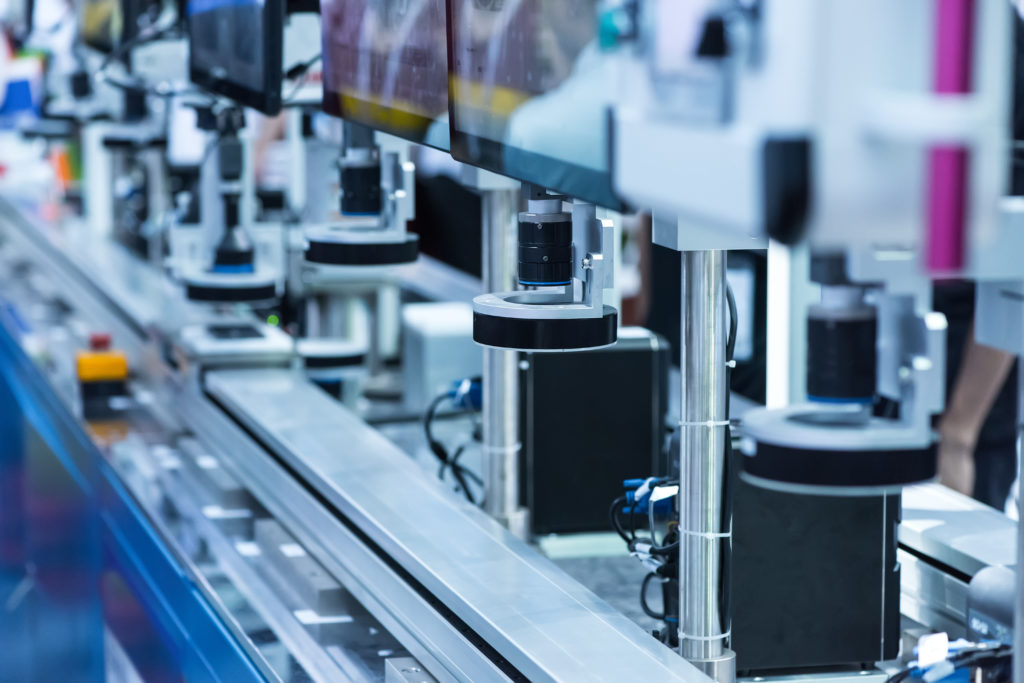
The speed of the development and adaptation of new technologies is growing at exceptional rates. It is specifically true in the case of vision machines. Distribution centers are using this technology to ensure accuracy in the shipping and delivery of products.

The development and growth of this technology have resulted in a seamless integration of robots into warehouses. Due to this integration, companies have been able to speed up delivery times and reduce the amount of hazardous work involved in the packaging and distribution processes. The integration of cameras into these machines has taken this technology to the next level.

The history of vision machines

The purpose of the development of vision machinery was to analyze images to take smart actions. Manufacturers have been striving for the automation these vision machines tend to bring into the manufacturing processes. The initial development of computer vision technology started in the 1950s. However, real-world applications were possible in the 80s.

The initial application of this system allowed companies to automate the process of reading letters and identifying symbols and numbers. The use of these machines started prevailing when their prices began to drop in the 90s.


The capabilities of vision technology today

Modern warehouses can benefit significantly from the power of connection between machinery, computers, and cameras. These machines use cameras to analyze a situation and suggest a solution after executing those images or videos using AI-based systems. These machines can help solve problems and avoiding any undesirable circumstances.

So, you may wonder about the capabilities of a camera. With the help of smart cameras, you can match images, decipher colors, inspect labels, and identify products. The specific messages are communicated to the machinery with the help of software run by the computer. The machinery, after receiving instructions from the computer, performs specific functions such as lifting or sorting.

Vision technology and packaging

The use of vision machines in the packaging helps streamline the entire supply chain process. Here is how these machines can facilitate the entire packaging and distribution process.

  • The deployment of vision machines at different points of the supply chain helps automate a lot of processes in a packaging distribution center. It starts with smart sensors that tend to increase production speed. Then certain sensors perform a whole-box inspection to read everything from labels to the product inside the box. It allows workers to save a significant amount of time.
  • After packaging the products, businesses have to deal with the challenge of meeting customers’ expectations. Consumers want their packages to be delivered on time and in undamaged condition. That’s where vision machines can come in handy. These machines ensure the accuracy of labeling, helping businesses to eliminate factors that may result in downtime. The most significant advantage of this approach is that it increases a business’s ability to deal with high volumes without making any errors.
  • The modern-day consumer expects faster shipping speeds, robust customer support, and other tech advancements. The end-consumer can benefit from vision machinery even though he doesn’t have any direct contact with it.

Tuesday, 5 September 2017

The Secret Ingredient Isn’t Sugar—It’s the Box

Candy has always been about joy. But before that first bite, before the wrapper crinkles or the chocolate melts on someone’s tongue, there’s the moment of presentation—the reveal. That’s where candy boxes work their quiet magic. They don’t just hold sweets; they hold memories. The right box can make a five-dollar treat feel like a million-dollar gift, and smart candy makers know that’s where the real sweetness begins.


Think about it. Candy is emotional. It reminds people of birthdays, Valentine’s Day, grandma’s kitchen, or that one childhood corner store where everything cost a dime. The moment someone sees a bright, perfectly folded box sitting on the counter, their brain lights up before the sugar ever hits. A candy box isn’t packaging—it’s a cue, a visual promise that says, this is special.

And the beauty is, a good candy box does this effortlessly. The color, the texture, even the way it opens—it all matters. A lid that lifts slowly builds anticipation. A ribbon closure adds elegance. A clear window turns candy into a little gallery. When people feel that kind of care in presentation, they don’t just buy candy—they buy the moment that comes with it. It’s why big confectionery brands obsess over packaging, and why small candy shops that get it right build lifelong fans after a single purchase.

But here’s where most candy sellers miss the mark: they think the candy itself will carry the sale. In truth, the product and the box work together like melody and harmony. The candy delivers taste, but the box delivers perception. And perception lasts longer than flavor. That’s why candy boxes have quietly become a strategic business tool. Whether you’re selling truffles, fudge, caramels, or cotton candy, the right box can transform impulse buyers into loyal customers who keep coming back for the “experience.”

Today’s candy boxes aren’t just cute—they’re smart. They’re designed for durability, stackability, and shelf appeal all at once. Corrugated candy boxes protect delicate treats during shipping while still looking gift-ready upon arrival. Specialty finishes—like gloss coatings, pastel tones, or foil stamping—turn ordinary deliveries into Instagram-ready unboxings. That’s marketing you don’t even have to pay for. The box does the storytelling for you.

And maybe that’s what makes candy boxes so powerful. They bridge nostalgia with modern business sense. They whisper “childhood” while quietly driving sales. A good candy box is like a stage light—it doesn’t compete with the candy; it makes it shine brighter. Because at the end of the day, customers don’t just remember the sweetness they tasted. They remember how it felt to open something that looked like it was made just for them.

That’s the real secret ingredient. Not sugar, not chocolate, not caramel—but the feeling of unboxing happiness itself.

Wednesday, 3 May 2017

How Small Businesses Save with Bulk Shipping Supplies

Many small businesses benefit from buying shipping supplies in bulk. At first, the large quantity may seem unnecessary or expensive, but bulk packaging provides long-term savings that can significantly lower operating costs. Buying in bulk reduces cost per unit, improves inventory planning, and helps prevent last-minute supply runs that waste both time and money.


Wholesale vs. Retail Pricing

Retail stores often charge higher prices because items are purchased in small quantities. Buying a small pack of mailers or boxes may seem convenient, but over time those higher prices add up. Bulk orders, on the other hand, reduce cost per unit, allowing small businesses to stretch their budget and keep packaging costs predictable.

When businesses purchase pallets or cartons of mailers, boxes, or tape from wholesalers, they eliminate repeated trips to the store and unnecessary fuel costs. Instead of replenishing supplies constantly, they simply pull from inventory until it is time to reorder. Bulk orders also reduce the risk of running out of essentials during busy sales periods.

How to Store Wholesale Packaging

Bulk packaging can take up space, especially for businesses operating out of small offices or home setups. The best way to manage large quantities of shipping supplies is to keep everything stored in its original case. Establish a packing station and keep smaller amounts within reach while the rest remains boxed and stacked neatly.

Some small businesses rent small warehouse spaces, use shelving, or designate a storage corner strictly for shipping supplies. Once a system is in place, packaging becomes faster, more organized, and far less stressful.


The ROI Breakdown on Bulk Orders

Bulk purchasing requires a larger initial investment, but the return on investment grows over time. The more orders a business fulfills, the more valuable bulk pricing becomes. Instead of spending more per pack at retail and wasting gas on repeat trips, the business already has what it needs and can focus on fulfillment.


By purchasing packaging supplies in bulk, small businesses gain smoother operations, better cost control, and the ability to fulfill orders without delay. In the long run, bulk buying not only saves money — it supports growth.

Monday, 10 October 2016

Why Candy Boxes Sell More Candy

A chocolate truffle is a tiny thing. It weighs almost nothing. You can eat it in one bite. But when it sits inside a clean, sturdy box with a small ribbon on top, it suddenly feels like a treat worth buying. That is the secret that candy stores, bakeries, and chocolate makers have used for years. Candy boxes do not just hold the sweets — they help sell them.

It starts with first impressions. People shop with their eyes. They notice shape, shine, color, and texture before they notice taste. A good box creates anticipation. It makes someone slow down, pick it up, and imagine what is inside. That moment is powerful. Many candy purchases are impulse decisions. Someone did not plan to buy a chocolate, but the box says, “This would make you happy.” And so they buy it.

Stores count on that. They place candy boxes near checkout counters, on display tables, and in stacks by the window. When the packaging looks amazing, the entire shop looks amazing. It creates an atmosphere that makes it fun to buy something small and tasty.

Another benefit candy boxes bring is protection. Customers may not think about it, but shop owners do. Chocolate is sensitive to heat and humidity. Caramels can stick together. Fudge can smudge. If the packaging is weak or flimsy, everything inside suffers. A good candy box has strong walls, crisp folds, and a lid that closes without forcing it. The product arrives at home looking exactly the same as when it left the store. That matters, especially if the candies are a gift.

It is also easier for staff. Boxes make packing faster. Instead of wrapping pieces one by one, the worker can place them into rows inside a box. There is no fighting with torn paper or loose lids. The box keeps everything in place. In busy seasons — Valentine’s Day, Christmas, Mother’s Day — this makes a huge difference. When the shop is crowded, quick packing keeps the line moving and customers happy.

Even online sellers rely on candy boxes. Shipping candy is tricky. Truffles can get crushed. Hard candies can break. Boxes protect the shape, the surface, and the presentation. When someone opens the package, they see perfect rows of treats instead of a jumble of crumbs. That unboxing moment can create repeat business.

Branding is another big reason candy boxes are popular. A bakery can add a sticker, a stamped logo, or a printed ribbon. It turns an ordinary brown box into something recognizable. When customers carry it through a mall or give it as a gift, the brand travels with it. A plain treat becomes a small advertisement. Even before the person tastes the candy, the packaging has already influenced their feelings about the product.

Color and design play a role too. White boxes feel clean and elegant. Kraft boxes feel natural and handmade. Metallic boxes feel luxurious. Clear windows allow people to peek inside. Shapes vary — square, rectangular, tall, flat, tuck-top, two-piece, one-piece. Every choice has a purpose. A box that fits just right makes the candy look neat and uniform. No rattling. No wasted space.

One more overlooked detail is stacking. Good boxes stack straight and flat. This matters for storage, display, and transport. Shops can build tall displays without wobbling. Customers can hold several boxes in one hand. Shipping boxes stay tight on shelves and pallets. The efficiency is invisible, yet it saves time, space, and money.

Candy boxes are more than simple containers. They create value, they increase sales, and they make the entire buying experience better. Inside the box is chocolate. Outside the box is the feeling that the chocolate is special. When it comes to sweets, that feeling is everything.

Monday, 8 August 2016

The Secret Ingredient Isn’t Sugar

Every candy maker knows the magic is in the recipe—but here’s the twist: presentation is part of the flavor. You can pour your heart into handmade truffles or gourmet caramels, but if the packaging doesn’t match the taste, you’re leaving half the experience on the table. That’s where the right candy box changes everything. It’s the invisible ingredient that makes customers say “wow” before they ever take a bite.

A candy box does more than protect what’s inside—it builds anticipation. The feel of a sturdy lid, the shine of a clean fold, or the surprise of a see-through window can make even the simplest treat look luxurious. People don’t just want sweets; they want a story. A box lets your candy tell that story before the first taste—whether it’s a nostalgic throwback, a modern minimalist design, or a seasonal pop of color. When your box feels special, your candy becomes memorable.

Think about walking into a candy shop. The smell of chocolate hits you, but your eyes lead the way. Neatly stacked candy boxes, each one crisp, clean, and ready to go, invite people to pick them up. That’s not by accident. Retailers know a well-designed box makes it easier for customers to say “yes.” They can hold it, shake it lightly, imagine gifting it. That’s all part of what good packaging does—it turns a decision into a moment.

For small businesses, candy boxes can be a secret growth tool. You don’t need a huge marketing budget when your packaging speaks for you. A high-gloss window box can double as free advertising when customers post photos online. A gold foil stamp on the lid reinforces your brand name every time someone reaches for a piece. Even simple kraft-style candy boxes with custom stickers tell a story of care and craftsmanship.

Candy boxes also make logistics easier. They stack neatly, ship safely, and handle temperature changes better than thin plastic or paper wraps. That’s especially important for chocolates, gummies, or caramels that can lose their shape in transit. A well-made box acts like a tiny climate control chamber—keeping your sweets cool, secure, and ready to impress. And when you’re selling online, that reliability is pure gold.

The options are endless, too. Two-piece rigid boxes, fold-top displays, or tuck-end cartons all have their place depending on how you sell. If you ship to stores, go with stackable boxes that hold form on shelves. If you sell directly to consumers, windowed boxes make unboxing videos shine. Want to upsell during holidays? Seasonal colors and inserts create instant limited-edition appeal without changing your core product.

The truth is, a candy box isn’t just packaging—it’s presentation, protection, and promotion rolled into one. It’s the bridge between your product and your customer’s emotions. When people pick up your candy and feel that smooth, solid box in their hands, they’re already halfway sold. That’s not marketing fluff—it’s human psychology. Because when something looks special, it feels special. And when it feels special, people remember it.

So next time you measure ingredients, remember to measure presentation, too. The real secret ingredient in any candy business isn’t sugar—it’s the box that makes it all shine.

Packaging Trends Prevailing This Year

The pace of technological advancements has been quite impactful for the packaging industry over the past few years. Many people think of pac...